


How to Choose the Right Website Design Company [2026 Guide]
Gridweb
|
8 min read
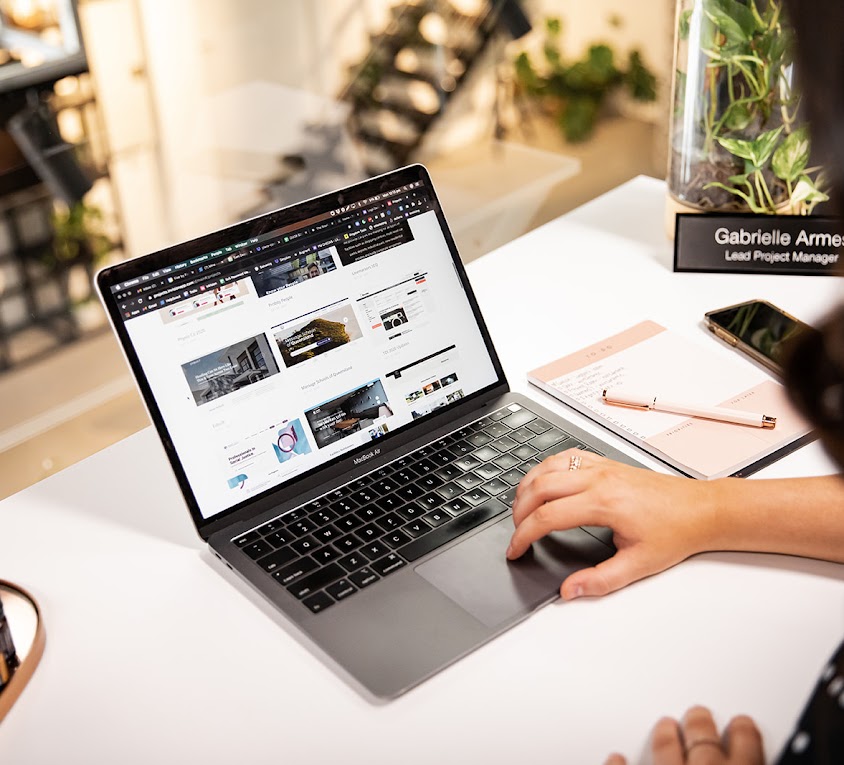
In this guide, we’ll walk you through the 7 key factors you need to consider before making your decision. Whether you’re building your first website or looking to redesign an existing one, these principles will help you find the right fit.
1. Start With Your Goals, Not the Design
Before comparing agencies, be clear about what you actually need. A good website isn’t just about how it looks—it should support your business goals and deliver measurable results.
Too many business owners start by looking at design trends or competitor websites. While that research has value, it shouldn’t be your starting point. Your website needs to solve specific problems for your business.
Key Questions to Ask Yourself:
- What’s the primary purpose? Do you need more leads, online sales, or brand awareness?
- What type of site do you need? Will it be informational, eCommerce, or a service-based booking platform?
- What’s your timeline? Do you have a launch date or event driving the deadline?
- What’s your budget range? Being upfront helps filter agencies quickly.
- Do you need ongoing updates and support? Some businesses need regular changes; others rarely touch their site.
2. Look at Real Work, Not Just Promises
A strong portfolio tells you far more than a sales pitch ever will. Any agency can talk about their capabilities, but their actual work reveals the truth about their skills and experience.
What to Look For in a Portfolio:
- Live websites you can visit — Not just screenshots, but actual functioning sites you can click through and test
- Projects similar to your industry — Experience in your sector means they understand your audience
- Clean layouts and intuitive navigation — Good design should feel effortless to use
- Fast loading times — Test their portfolio sites on Google PageSpeed Insights
- Mobile-friendly design — Over 60% of web traffic is mobile; this isn’t optional
Pay attention to functionality, not just visuals. A stunning design that’s slow, confusing, or broken on mobile isn’t a good website—it’s a liability. A good design company builds websites that work well for users and search engines alike.
3. Make Sure They Understand SEO and Performance
A beautiful website means very little if no one can find it. Search engine optimisation (SEO) and website performance aren’t add-ons—they’re fundamental requirements for any business website in 2026.
Your design partner should understand and prioritise:
- Search engine optimisation (SEO) — Proper heading structure, meta tags, schema markup, and content optimisation
- Page speed and performance — Optimised images, clean code, caching, and fast hosting
- Mobile-first design principles — Designing for mobile devices first, then scaling up to desktop
- Clean, scalable site structure — Logical URL hierarchy and internal linking
- Core Web Vitals compliance — Google’s metrics for user experience
🔍 Questions to Ask About SEO:
- How do you approach SEO during the build process?
- Will the site be optimised for Core Web Vitals?
- Do you handle technical SEO setup (sitemaps, robots.txt, schema)?
- What’s your process for image optimisation?
SEO should be part of the foundation, not an afterthought. If an agency treats SEO as a separate service that costs extra after the build, they’re not building websites the right way.
4. Transparency Around Pricing and Scope
One of the biggest red flags when choosing a website design company is vague pricing. If you can’t get a clear answer about costs, you’re likely to face surprises later.
A professional website design company will clearly explain:
- What’s included in the quoted cost — Number of pages, features, revisions, etc.
- What’s considered extra — Additional pages, custom functionality, copywriting, photography
- Payment terms and schedule — Deposit requirements, milestone payments, final payment
- Realistic timelines — When you’ll see designs, how long development takes, launch date
- What happens if scope changes — How change requests are handled and priced
You don’t always need the cheapest option—you need clarity. Knowing exactly what you’re paying for helps avoid frustration, scope creep, and budget blowouts later in the project.
5. Ownership, Access, and Control
This is critically important and often overlooked. Always confirm who owns the website once it’s complete. You’d be surprised how many businesses discover—too late—that they don’t actually own their own website.
You should:
- Have full admin access to your website and content management system
- Own your domain name — It should be registered in your name or your company’s name
- Have access to your hosting — Know where your site is hosted and have login credentials
- Own all design files and assets — Logos, images, and source files created for you
- Be able to move providers if needed — No lock-in contracts or proprietary systems
A trustworthy agency empowers you, rather than locking you into unnecessary dependencies. They should be confident enough in their service that they don’t need to hold your website hostage.
6. Ongoing Support and Maintenance
Websites are not “set and forget.” They require regular updates, security patches, backups, and occasional fixes. Before you sign with any agency, understand what happens after launch.
Questions to Ask About Support:
- Do they offer maintenance packages? — Regular updates, security monitoring, backups
- How quickly do they respond to issues? — What’s their SLA for urgent problems?
- What’s the cost of post-launch changes? — Hourly rates or retainer packages?
- Can they assist as your business grows? — Adding features, scaling traffic, new integrations
- Do they provide training? — Will you know how to update content yourself?
The right website design company will view your project as a long-term partnership, not a one-off transaction. They should be invested in your success because your growth means their growth.
7. Communication and Fit Matter
Finally, choose a company you’re comfortable working with. You’ll be collaborating closely for weeks or months, and poor communication can derail even the most talented team.
During your initial conversations, pay attention to:
- Do they listen more than they talk? — Good agencies ask lots of questions first
- Do they explain things clearly? — No excessive jargon or confusing technical speak
- Are they honest about limitations? — Realistic advice beats over-promising
- Do they respond promptly? — Communication speed during sales predicts project communication
- Do they push back constructively? — Yes-men don’t build great websites
If an agency listens carefully, explains things clearly, and sets realistic expectations, you’re likely in good hands. Trust your instincts—if something feels off during the sales process, it usually gets worse during the project.
Quick Comparison: Agency vs Freelancer vs DIY
| Factor | Agency | Freelancer | DIY Builder |
|---|---|---|---|
| Cost | Higher | Medium | Lower |
| Custom Design | ✓ Full | ✓ Yes | ✗ Limited |
| SEO Expertise | ✓ Built-in | Varies | ✗ Basic |
| Ongoing Support | ✓ Reliable | Varies | ✗ Self-service |
| Scalability | ✓ High | Medium | ✗ Limited |
| Time Investment | Low (for you) | Medium | High |
Final Thoughts
Choosing the right website design company is about more than visuals or price—it’s about finding a partner who understands your business, builds with purpose, and supports your growth over time.
Take your time with this decision. Ask the right questions. Request references and actually call them. Look at live work, not just pretty mockups.
The right partner will treat your website as a strategic business asset, not just a design project. They’ll be as invested in your success as you are—because that’s how great partnerships work.
Invest in a team that gets it right the first time, and your website will pay dividends for years to come.
Ready to Start Your Website Project?
We’d love to discuss your goals and show you how Gridweb approaches website design differently. No pressure, no jargon—just honest advice about what your business needs.
Frequently Asked Questions
What should I look for in a website design company’s portfolio?
Look for live websites you can visit, projects similar to your industry, clean layouts, fast loading times, and mobile-friendly design. Pay attention to functionality, not just visuals. A good design company builds websites that work well for users and search engines.
Why is SEO important when choosing a web design company?
A beautiful website means nothing if no one can find it. Your design partner should understand search engine optimisation, page speed, mobile-first design, and clean site structure. SEO should be part of the foundation, not an afterthought that costs extra later.
Who should own the website after it’s built?
You should have full access to your website and hosting, own your domain name, and be able to move providers if needed. A trustworthy agency empowers you rather than locking you into unnecessary dependencies or proprietary systems.
What questions should I ask about ongoing website support?
Ask if they offer maintenance and updates, how quickly they respond to issues, what post-launch changes cost, and whether they can assist as your business grows. The right company views your project as a long-term partnership.
What are red flags when choosing a website design company?
Major red flags include vague pricing, no clear explanation of deliverables, unwillingness to show live portfolio examples, reluctance to discuss website ownership and access rights, poor communication during the sales process, and no references from long-term clients.